

When engineering medium‑voltage power systems for indoor spaces-such as commercial high‑rises, hospitals, shopping complexes, and mission‑critical data centers-fire safety and operational security take top priority. Liquid‑filled transformers, while efficient, carry inherent risks of oil leakage, toxic smoke generation, and catastrophic thermal explosions. Consequently, consulting engineers and facility managers increasingly specify dry‑type units. Deploying a high‑capacity unit like a 1600kVA dry‑type step‑down transformer configured for a 33kV to 440V step‑down rating provides an ideal balance of robust power distribution, low thermal footprint, and total compliance with strict municipal building codes.
In this guide, we examine the technical standards behind dry‑type transformer fire ratings and explain how these units satisfy stringent fire safety codes in modern indoor facilities.
Ⅰ. Understanding Transformer Fire Safety Classes (IEC 60076‑11)
To qualify for indoor and fire‑sensitive environments, dry‑type transformers undergo rigorous testing under international standards such as IEC 60076‑11. Fire safety compliance is defined by specific certification categories:
|
Fire Class Rating |
Safety Criteria & Test Behavior |
Typical Application Suitability |
|---|---|---|
|
Class F0 |
No special fire risk precautions. Materials are flammable. |
Outdoor substations away from buildings. |
|
Class F1 |
Self‑extinguishing: Subjected to external fire; materials burn restrictedly, produce minimal smoke, and self‑extinguish when the external flame is removed. Zero halogen or corrosive gas release. |
Indoor substations, commercial buildings, data centers, underground facilities. |
Modern cast‑resin transformers achieve F1 certification by utilizing self‑extinguishing epoxy resins mixed with flame‑retardant fillers (such as silica powder and trihydrated alumina). In the event of an external electrical arc or building fire, an F1‑certified 1600kVA dry‑type step‑down transformer prevents flame propagation without requiring costly automatic fire suppression spray systems.
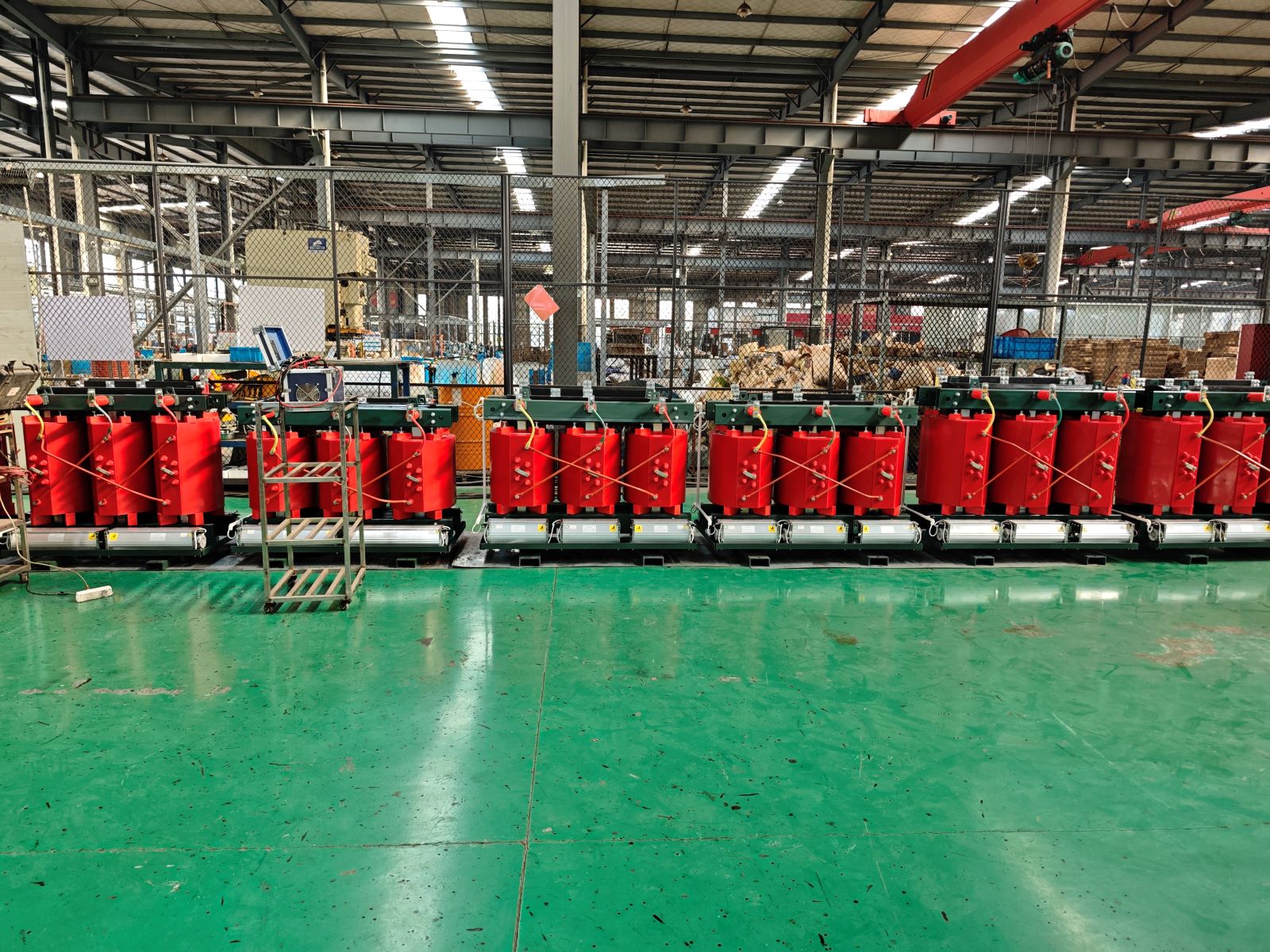
Ⅱ. Meeting Fire Safety Requirements in Commercial Buildings and Data Centers
Commercial high‑rises and data centers host dense concentrations of personnel and high‑value IT infrastructure. Meeting national fire safety codes (such as NFPA 70 / NEC) inside these structures requires careful attention to three core risk factors:
1. Elimination of Combustible Liquid Hazards
Liquid‑filled units contain hundreds of gallons of flammable mineral oil that require fire containment bunds, oil catch basins, and blast‑resistant fire walls. Dry‑type technology eliminates liquid flammability altogether, allowing direct installation adjacent to main load centers.
2. Toxic Smoke and Halogen Emissions Control
During electrical faults, traditional insulating materials can emit halogenated gases and thick carbon smoke that paralyze ventilation systems. Cast‑resin dry‑type units carry Class F1 smoke density ratings, ensuring that smoke emissions remain minimal and non‑corrosive, protecting both human life and delicate data center server circuitry.
3. Step‑Down Voltage Efficiency (33kV to 440V)
Stepping down directly from a medium‑voltage utility supply rated at 33kV to 440V right at the indoor substation room eliminates long secondary low‑voltage cable runs. Direct 33kV to 440V transformation inside the building envelope reduces I2R power losses while maintaining strict insulation impulse withstand levels (BIL).
Ⅲ. Thermal Class and Environmental Durability
Fire safety is closely tied to insulation temperature limits. Dry‑type units for indoor installations typically feature Class H (180°C) or Class F (155°C) thermal insulation systems. These high thermal ratings permit short‑term overload conditions without degrading coil integrity or risking thermal runaway.
- Environmental Class (E2): Resists heavy condensation, ambient humidity, and severe airborne pollution.
- Climatic Class (C2): Tested for operation, transport, and storage down to ambient temperatures of ‑25°C.
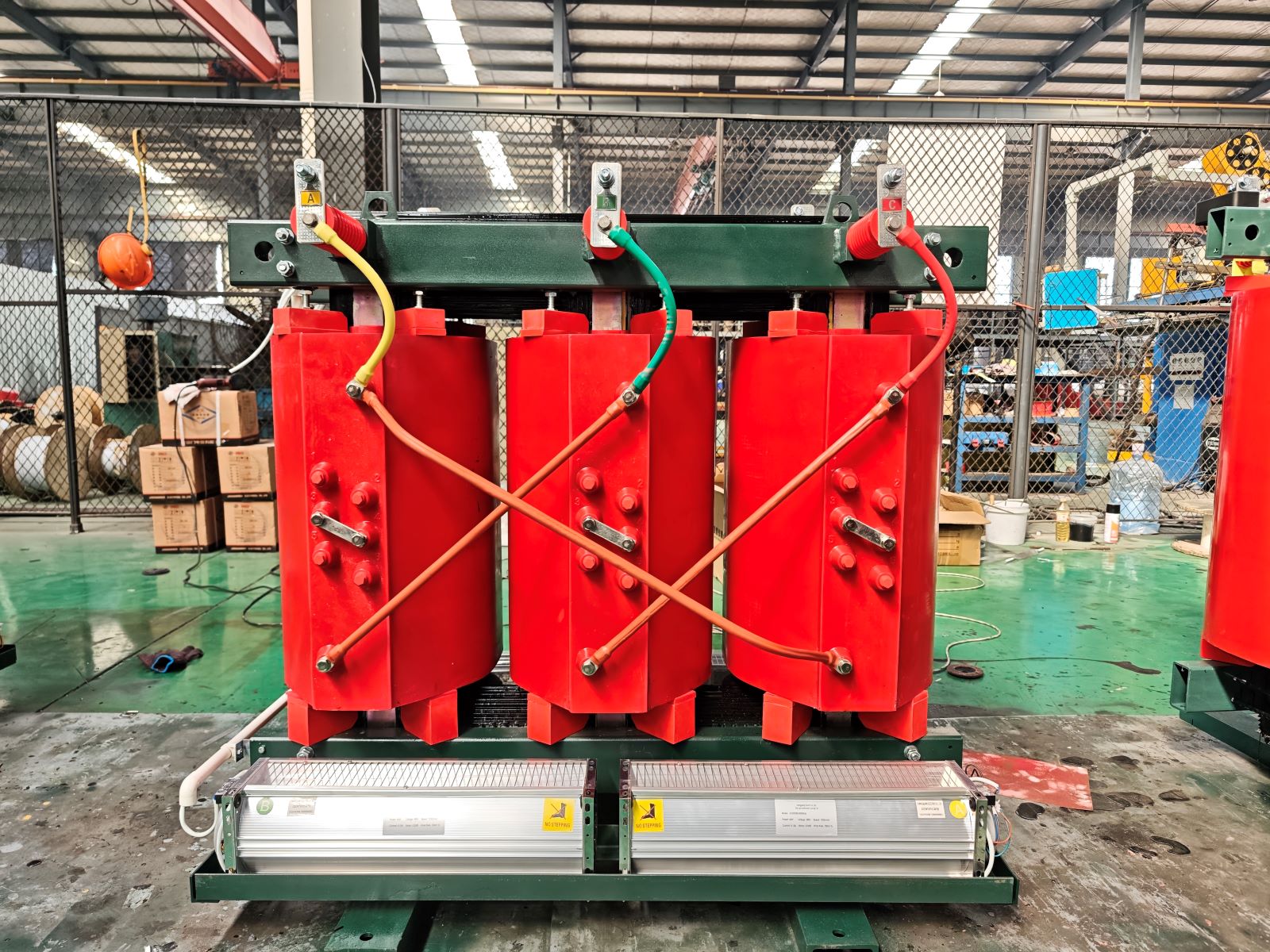
Specifying a heavy‑duty 1600kVA dry‑type step‑down transformer with E2/C2/F1 triple certification ensures total operational safety under extreme ambient conditions.
Partnering with JINSHANMEN TECHNOLOGY CO., LTD
At JINSHANMEN TECHNOLOGY CO., LTD, we engineer state‑of‑the‑art power distribution solutions designed to meet strict international safety and efficiency standards. From commercial high‑rises to specialized industrial complexes, our comprehensive product portfolio covers all primary and secondary power distribution requirements.
Our Scope of Products:
The company mainly produces oil immersed power transformers, dry‑type power transformers, oil immersed three‑dimensional coiled power transformers, dry‑type three‑dimensional coiled power transformers, mining explosion‑proof dry‑type transformers, mining explosion‑proof mobile substations, amorphous alloy power transformers, on load capacity regulating power transformers, locomotive dry‑type transformers, as well as prefabricated substations, modular substations, wind energy box type substations, high and low voltage switchgear and other transmission and distribution equipment.
Whether you require a high‑reliability 1600kVA dry‑type step‑down transformer for a mission‑critical data center or specialized 33kV to 440V step‑down units for commercial indoor substations, JINSHANMEN TECHNOLOGY CO., LTD provides tailored, fire‑safe electrical equipment built for decades of operation.