

Dry Type Transformer
Why choose us
Our Products
We mainly produce a variety of transformers, including oil-immersed power transformers, dry-type power transformers, oil-immersed three-dimensional coiled transformers, and dry-type three-dimensional coiled transformers. Additionally, we offer mining explosion-proof dry-type transformers, as well as high and low voltage switchgear and other equipment for power transmission and distribution.
Our Company
Jinshan Gate Technology Co., LTD. (referred to as Jinshan Gate) is located at No. 795 Nanming Road, Shuige Industrial Park, Liandu District, Lishui City. Our factory covers 208 acres and employs over 500 people. We hold more than 20 patents and combine advanced domestic and international technologies to become a key player in the transformer industry.
Product Application
Our products are widely used in power and railway sectors. With complete testing equipment and strict quality checks, we ensure that our products are stable and reliable over time. This has made our products highly valued by the power sector and various users. We export to many regions, including Southeast Asia, the Middle East, and Africa.
Our Certificates
Our products have received ISO9001:2008 international quality system certification and have been approved by the National Electrical Product Quality Supervision and Inspection Center. They meet IEC and national standards and have obtained various relevant certifications, including production licenses and national safety marks.
What is Dry Type Transformer
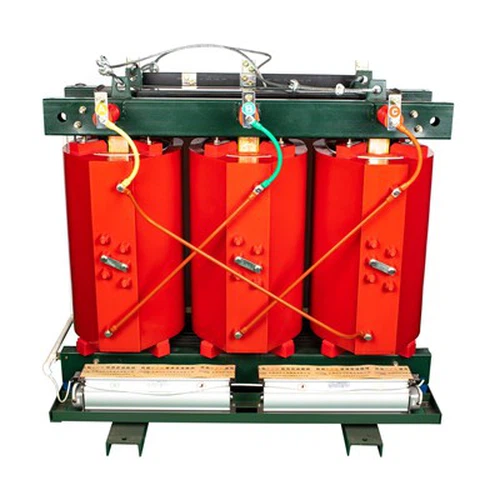
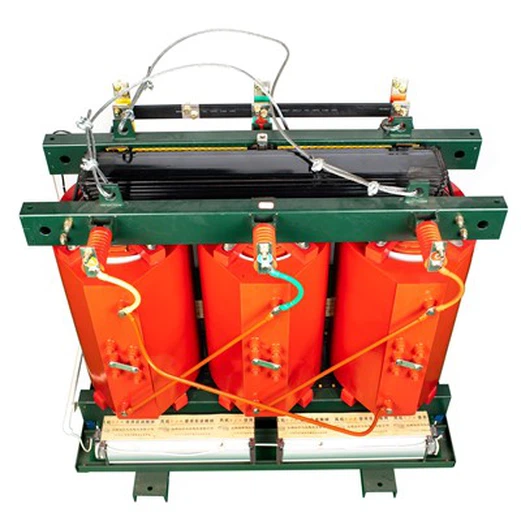
Unlike their liquid-filled counterparts, dry-type transformers do not incorporate liquid to dissipate excess heat and meet temperature classification requirements. Instead, the coils within a dry-type transformer are constructed of a gaseous or dry insulation medium.


What are the main advantages of a dry type transformer?
Self-extinguishing, Low Fire Hazard
A dry type transformer comes with an eco-friendly material on its insulation. So, it comfortably winds in a self-extinguishing manner, is flame retardant, and of course easy to maintain. With it, you won’t have to invest in a fire extinguisher. Plus, even under the influence of arcing, it doesn’t produce toxic gases.
Zero Oil Usage
As mentioned earlier, the dry transformer doesn’t need any liquid to cool. It only requires air to remain cool. So, you won’t have to incur extra expenses to get oil, or any other liquid, plus the maintenance costs attached to them. It’s safe to say that this is an almost maintenance free transformer, so you can stay worry-free.
Eco-friendly And Safe
Since dry transformers don’t use oil or liquids for that matter, you won’t have to deal with oil leaks. Or any other form of environmental pollutants. Plus, they are self-extinguishing meaning they rarely explode. Also, the dry type transformers are widely known to withstand unexpected weather changes, making them suitable for heavily polluted and condensed environments.
Low Cost Installation And Lower Load Losses
Due to their low risk nature, there are barely any restrictions when installing the dry type transformers. You also won’t have to deal with other environmental precautions such as groundwater protection. Also, these transformers can serve you for over 20 years, with low chances of failure.
Low Maintenance
We cannot insist on this enough. The dry type transformers are extremely low maintenance. Like you barely have to even maintain them. As long as they have air to cool, you won’t have to deal with built-up dirt. Also, you will never have to deal with liquid testing. However, a routine expert inspection is recommended, and that shouldn’t be too hard.
Sustainable
When you use a dry transformer, you are playing a key role in ensuring we save our earthly resources. With it comes low electricity usage, 90% recyclable materials, and a reliable service of 20+ years.
Types of Dry Type Transformer
There are variations of dry-type transformers. Different environments and applications call for slightly different models. For instance, VPI dry-type transformers are recommended for those looking for radiance protection and advanced mechanical power. On the other hand, a cast coil transformer is recommended for harsher environments.
Open Wound Transformer
This type of transformer gets its name through its manufacturing process, which involves the “dip-and-bake” method. The coils are heated, dipped in high-temp varnish and then baked, a process known as the open wound method.
Vacuum Pressure Impregnated (VPI)
VPI transformers are commonly used for commercial and industrial purposes. They have a high-temperature insulation that ranks over ‘O’ and ‘K’ fluid classifications. VPI transformers are made from materials that can withstand high temperatures and moisture-resistant polyester sealant that is typically applied with a vacuum pressure impregnation technique. For the most part, they are rated up to 30 MVA.
Vacuum Pressure Encapsulated (VPE)
VPE transformers are comparable to VPI described above. Yet, instead of polyester they are made from a silicon-based resin, this creates a thicker coating that is highly resistant to moisture, salt and high humidity, making it an excellent choice for harsher environments. They are used in environments that are susceptible to acids, chlorides and alkalis.
Cast Coil
Cast coil transformers are reliable even in extreme weather and require very little upkeep. They are commonly found inside of tunnels or buildings, onboard ships, offshore platforms, as well as at nuclear plants, mining facilities, and production plants.
Dry-type transformers use electromagnetic induction to transfer electrical energy from one circuit to another. The transformer consists of two coils, a primary and a secondary, wrapped around a common magnetic core. When an alternating current flows through the primary coil, it creates a magnetic field around the core. This magnetic field induces a current in the secondary coil, which is connected to the load. The output voltage of the transformer is determined by the ratio of the number of turns in the primary and secondary coils.
Dry-type transformers do not use oil as a cooling medium, but instead rely on air to dissipate heat generated by the transformer. This is achieved by using a combination of forced-air and natural convection cooling. The transformer windings are encapsulated in epoxy resin, which provides insulation and protection against moisture, dust, and other contaminants. The resin also helps to dissipate heat and reduces the risk of fire.
In particular, traction TFs are employed to convert the power produced by the traction effect when trains are moving. The electric motors receive this energy after that.
Dry-type transformers find widespread use across diverse industries and applications, owing to their emphasis on safety, reliability, and environmental compatibility. Here are some common applications:
Chemical, Oil, and Gas Industry
Dry-type transformers supply power to equipment and processes in environments with flammable or explosive substances, such as refineries, petrochemical plants, pipelines, and offshore platforms.
Environmentally Sensitive Areas
Utilized to safeguard the environment in locations where oil spills or leaks could contaminate water sources, soil, or wildlife habitats. Examples include water protection areas, forests, and wetlands.
Fire-Risk Areas
Deployed to prevent fire hazards or minimize damage in areas prone to fire outbreaks or subject to stringent fire regulations. This includes indoor substations, underground substations, hospitals, schools, hotels, and shopping malls.
Renewable Generation
Dry-type transformers facilitate the connection of renewable energy sources, such as wind turbines, solar panels, and hydroelectric plants, to the grid or directly to the load.
Other Applications
Used in various applications requiring high performance, low maintenance, or special features, including:
Traction Systems
In transportation systems, such as trains.
Marine Systems
For powering equipment on ships and offshore platforms.
Mining Systems
Providing power in mining operations.
Data Centers
Ensuring reliable power distribution in data center facilities.
Dry Type Transformer Ratings
When selecting a dry-type transformer, understanding its ratings is crucial to ensure it meets the specific needs of your application. These ratings typically include voltage, power, and temperature rise.
Voltage Rating: The voltage rating of a dry-type transformer indicates the maximum voltage the transformer can handle on both the primary and secondary windings. This rating is essential for ensuring the transformer can operate efficiently within the system’s voltage requirements, whether in a low or high-voltage application.
Power Rating (kVA): The power rating, expressed in kilovolt-amperes (kVA), reflects the maximum power the transformer can deliver. Selecting a transformer with the appropriate power rating is vital for maintaining system stability and avoiding overloading the transformer.
Temperature Rise: This rating measures the maximum temperature increase in the transformer windings during regular operation. Dry-type transformers are designed to minimize temperature rise, which helps extend the unit’s lifespan and maintain efficient operation, even under heavy loads.
Insulation Class: The insulation class indicates the maximum operating temperature the insulation can withstand without degrading. Higher insulation classes allow the transformer to operate in more demanding environments.
Dielectric Strength: This refers to the ability of the transformer’s insulation to withstand electrical stress without breaking down. High dielectric strength ensures the transformer’s reliability and safety, particularly in high-voltage applications.
What Are the Different Parts of a Dry Type Transformer?
A dry type transformer contains many interdependent components that enable energy transfer. Knowing these parts and their roles can help you understand how a transformer works. Here is a list of the parts of a dry type transformer:
Core and Windings
The primary winding, connected to the power source, conducts alternating current along a circular path around the core to generate a magnetic field. This field induces a voltage across the secondary winding, enabling energy transfer between the primary and secondary voltages. The precise number of turns in each winding determines the transformer’s voltage transformation ratio. Additional layers in the windings can enhance performance.
●Core: Laminated sheets of premium silicon steel minimize eddy current losses and magnetic hysteresis, enhancing energy efficiency.
●Primary winding: Connected to the power source, it generates a magnetic field that initiates energy transfer.
●Secondary winding: Induces voltage through electromagnetic induction via the core, transmitting energy to the load.
Insulation
Solid insulation materials ensure electrical separation between the core, windings, and winding layers. These materials divide the windings into multiple layers, mitigating potential short circuits and guaranteeing safe energy transmission. By covering the windings and isolating them from the magnetic core, the insulation fortifies the transformer against voltage breakdowns, improves resistance to environmental stressors, and enhances thermal performance.
Typical insulation materials include:
●Polyester varnish
●SG-200 glastic sheets and winding combs
●Dupont Nomex insulation
●Advanced composites – GPO-3 fiberglass
Cooling Mechanisms
The cooling mechanisms, typically a blend of natural convection and forced air cooling techniques, maintain the transformer’s optimal operating temperature. Balancing these cooling methods helps ensure the transformer’s longevity and reliability.
●Natural convection: This method employs thermal buoyancy, where hot air rises and cool air falls. Vents and ducts facilitate the upward movement of hot air, drawing in cooler air for passive cooling. This heat transfer process and the strategic design of cooling ducts ensure effective dissipation.
●Forced air cooling: Fan cooling amplifies airflow, actively dissipating heat and maintaining optimal temperatures.
Enclosure and Protection
The enclosure protects the core and windings from the elements and ensures safety by keeping personnel out.
Terminals, Bushings, and Connections
Terminals and supplementary components such as bus bars and bushings integrate the external circuits with the transformer’s internal windings and help prevent flashovers. These components bolster electrical efficiency, promote isolation, and enhance the transformer’s role within a larger electrical network.
●Terminals: These parts ensure reliable energy transfer.
●Bus bars: These robust conductors are designed for high-current applications and enhance electrical efficiency.
●Bushings: These insulating components extend through the enclosure to facilitate secure external connections.
Tap Changer
A de-energized tap changer allows for voltage adjustment. Its essential function is to alter the winding turns ratio for voltage adjustment.
Grounding System
The grounding system redirects electrical faults away from the transformer, channeling them safely into the ground. This safety measure reduces the likelihood of electrical shocks, equipment damage, potential fires, injuries, and fatalities. The grounding system consists of a grounding electrode, surge arrestors, and fault indicators.
●Grounding bus: This component provides a low-resistance path for fault currents to safely dissipate into the ground.
●Surge arrestors: These devices divert transient overvoltage, safeguarding the transformer against voltage spikes.
Temperature Monitoring and Protection
Temperature monitoring and protection mechanisms prevent overheating, a significant concern in transformer operation, and take action if temperatures rise too high, preserving the transformer’s operational integrity. Integration with supervisory control and data acquisition (SCADA) systems facilitates real-time data relay, enabling remote monitoring and analysis of temperature trends.
●Temperature sensors: Thermocouples monitor the temperature in each coil near the top, where the hottest spot is located. At certain set points, they can activate the fans, and once the unit cools to a designated set point, the fans will turn off.
●Protection relays: Relays can activate alarms, shutdowns, or remote communications in response to excessive temperatures.
Manufacturing Process of Dry-Type Transformers
Design Phase
●Analyze customer requirements and determine specifications.
●Design the transformer, including the magnetic circuit, coil, and cooling system.
●Develop detailed production planning and process flow.
Material Preparation
●Procure raw materials such as silicon steel (for magnetic circuits), insulation materials, and coil materials.
●Conduct quality inspections of raw materials to ensure compliance with specifications.
Coil Manufacturing
●Use conductors to create the transformer coils.
●Wind the coils on support structures to form high and low voltage windings.
●Ensure the insulation performance of the windings.
Core Manufacturing
●Cut and stack silicon steel sheets to form the transformer core.
●Design and manufacture the core to ensure efficient energy consumption.
Assembly
●Assemble the coils and core to create the main structure of the transformer.
●Install support structures and other accessories.
Insulation Treatment
●Apply insulation treatments to the entire transformer to ensure electrical insulation performance.
●Common insulation materials include paperboard, vulcanized fiber, and epoxy resin.
Cooling System Installation
●Install the cooling system to ensure effective heat dissipation during transformer operation.
●Cooling systems can be either natural air-cooled or forced air-cooled.
Testing and Debugging
●Conduct performance tests, including electrical performance tests, insulation tests, and cooling system tests.
●Debug the transformer to ensure proper operation.
Packaging and Shipment
●Package the transformer to protect it from damage during transportation.
●Ship the finished product to the customer.
How to Choose the Right Dry-Type Transformer for Your Needs
Dry-type transformers are an important component of many electrical systems. They offer numerous benefits, such as improved safety, reduced maintenance, and increased energy efficiency. However, choosing the right dry-type transformer can be a daunting task. Here are some factors to consider when selecting a dry-type transformer that is suitable for your needs.
Power Rating
The first consideration is the power rating of the transformer. This is determined by the amount of power that needs to be transformed from the input voltage to the output voltage. The power rating should be chosen based on the maximum load that the transformer will need to handle.
Voltage Level
The voltage level of the transformer is another important factor. The input and output voltage levels should match the requirements of the electrical system. The transformer should also be able to handle any fluctuations in voltage that may occur.
Frequency
The frequency of the electrical system is another crucial factor. The transformer should be designed to operate at the same frequency as the electrical system.
Ambient Conditions
The ambient conditions in which the transformer will operate should also be considered. The transformer should be able to operate safely and efficiently in the temperature and humidity conditions of the location where it will be installed.
Noise Level
The noise level of the transformer is also an important consideration. If the transformer is located in a noise-sensitive area, such as a hospital or residential neighborhood, it should be designed to operate quietly.
Efficiency
The efficiency of the transformer should also be evaluated. A more efficient transformer will result in lower operating costs and a reduced environmental impact.
Size and Weight
Finally, the size and weight of the transformer should be taken into account. The transformer should be compact enough to fit in the available space and light enough to be easily transported and installed.
Our Factory
JINSHANMEN TECHNOLOGY CO., LTD(JSM for short) is located at 795 Nanming Road, Shuige Industrial Park, Liandu District, Lishui City. It is a domestic transformer industry production enterprise that integrates domestic and foreign high-tech. The company has advanced production equipment and strong technical strength. Its products have passed the ISO9001:2008 international quality system certification and the National Electrical Product Quality Supervision and Inspection Center, meeting IEC and national standards, as well as obtaining relevant certificates such as production licenses, national safety marks, and explosion-proof certificates.


FAQ
As one of the most professional dry type transformer manufacturers and suppliers in China, we're featured by quality products and good price. Please rest assured to buy dry type transformer for sale here from our factory. Contact us for customized service.
500 kva dry type transformer, pad mounted distribution transformer, 50 kva pad mounted transformer