

Transformer Tap Changer: Types, Operation, and Maintenance
If you're in the thick of maintaining power transformers, you know the tap changer is the unsung hero that keeps voltage in check-especially for workhorses like the 3 phase 100 kva transformer and 100 kva distribution transformer. Let me paint a real picture: a 3 phase 100 kva transformer chugging away in a local metal shop, powering welders and cutting tools that need rock-solid three-phase power to avoid ruining jobs. Down the road, a 100 kva distribution transformer sits on a utility pole, feeding electricity to a strip mall-its job is to step down high voltage so cash registers, AC units, and store lights run smoothly. Both depend on tap changers to tweak voltage when loads shift: a shop firing up an extra welder, a mall cranking AC on a hot day. Mess up the tap changer, and you're staring at fried equipment, spotty power, or even a full outage. Last year, a client's 100 kva distribution transformer failed mid-holiday season because the tap changer seized up-cost them thousands in lost sales and emergency repairs. Whether you're tending to a 3 phase 100 kva transformer in a warehouse or a 100 kva distribution transformer in a residential area, this part deserves your attention.

Tap changers aren't one-size-fits-all-there are two main types, and they slot right into how you use the 3 phase 100 kva transformer or 100 kva distribution transformer. Let's start with the off-load version. It's the no-frills option: simple, tough, and cheap to maintain. The catch? You have to shut the transformer down completely to switch taps. That's why you'll mostly find these on 100 kva distribution transformer serving homes-residential load is pretty steady, and a 15-minute planned outage at 2 a.m. won't upset anyone. I've installed dozens of these in small towns; they're reliable as clockwork if you don't skip basic checks.
Then there's the on-load tap changer (OLTC)-the workhorse for situations where downtime isn't an option. Imagine a 3 phase 100 kva transformer powering a bakery that runs 24/7: ovens, mixers, and refrigerators can't stop just to adjust voltage. The OLTC switches taps while the transformer's running, seamless as can be. I helped a client swap their 3 phase 100 kva transformer's off-load changer for an OLTC last year-they used to lose an hour of production every time they needed a voltage tweak; now it's done in seconds. The tradeoff? OLTCs are a bit pricier and need more maintenance, but for busy industrial setups, the flexibility is worth it.
Here's the real-world split: 100 kva distribution transformer in neighborhoods or small offices almost always use off-load changers. 3 phase 100 kva transformer in factories, workshops, or any place with shifting loads? OLTC all the way. It's less about the transformer size and more about how you can't afford to hit pause.
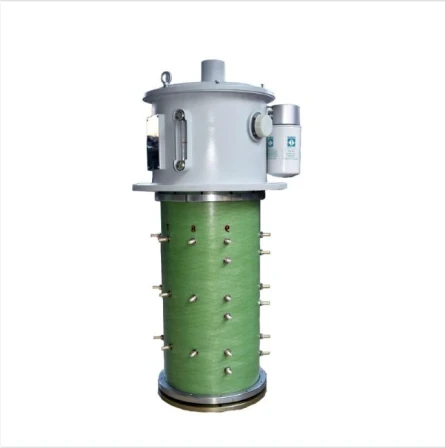
Operating a tap changer isn't rocket science, but cutting corners is a disaster waiting to happen. For off-load changers (common on 100 kva distribution transformer), follow this rule: never touch the taps while the unit's live. I've seen a rookie try to switch taps without shutting down-arcing shot out of the terminal box, and the windings were toast. Do it right: lock out the power, wait 10 minutes for the transformer to cool, then find the tap selector (usually a small dial on the tank side). Twist it to the voltage you need (marked clearly on the housing), give it a gentle tug to make sure it's locked in, then power back up slowly. Keep an eye on the voltage meter for 5 minutes-if it's steady, you're good.
OLTCs (on most 3 phase 100 kva transformer) are more automated, but don't zone out. Most have a remote panel or a manual crank-follow the manufacturer's limit on how much to adjust at once (usually 1-2% per tap). Don't flip through taps like a radio station; it strains the internal switches. Last month, I was called to a factory where an operator cranked the OLTC from tap 3 to tap 7 in 10 seconds-fried the switching mechanism. Take it slow: one tap, wait 30 seconds, check voltage, repeat. If you hear grinding, clicking, or see voltage spikes, stop immediately-something's jammed or worn.
One universal truth: never push the transformer beyond its rated voltage or current when adjusting taps. A 3 phase 100 kva transformer can't handle 120% load while you're switching taps-you'll cook the insulation faster than you think. Same for a 100 kva distribution transformer-overload it, and the tap changer will fail, plain and simple.
Maintenance on tap changers is basic, but it's got to be consistent-especially for units that face the elements or run nonstop. Let's start with visual checks: every 3-6 months, take a look. For outdoor 100 kva distribution transformer, check the tap changer housing for rust or oil leaks (OLTCs have oil-filled chambers). If you see a wet spot, don't ignore it-leaky oil leads to arcing. For indoor 3 phase 100 kva transformer, wipe away dust-grime builds up on contacts and causes overheating. I once found a tap changer caked in flour dust at a bakery; it was inches from failing.
Oil is make-or-break for OLTCs. Test it once a year-look for moisture or dirt. Contaminated oil is the number one cause of OLTC failures. I had a client skip this test for two years; their 3 phase 100 kva transformer's OLTC shorted out, and they had to replace the entire unit. It's cheap to test the oil-way cheaper than a new transformer. For off-load changers, lubricate the tap selector once a year with the grease the manufacturer recommends. Don't use WD-40 or random oil-some plastics in the mechanism will melt.
Every 2-3 years, do a deeper dive. Grab a multimeter and check continuity between taps-if there's a gap, the contacts are worn and need replacing. For 3 phase 100 kva transformer with OLTCs, test the switching timing-most manufacturers have a spec sheet. If it's slower than recommended, the internal gears are wearing down. I've saved clients thousands by catching this early; replacing gears is a $200 fix, replacing the whole OLTC is $2,000+.

Keep a log-nothing fancy. Jot down when you checked it, what you did, and any issues. I have a client who tracks their 100 kva distribution transformer's tap changer in a notebook; they noticed the selector was getting stiff every 6 months, so they started lubricating it more often-no more seizures. Logs turn guesswork into routine.
At the end of the day, the tap changer is one of those parts that works until it doesn't. But with the right type for your use case, safe operation, and basic maintenance, it'll keep your 3 phase 100 kva transformer and 100 kva distribution transformer running for years. It's not glamorous work, but it's the difference between smooth operations and a crisis.
At JINSHANMEN TECHNOLOGY CO., LTD, we don't just slap any tap changer on our transformers-we match it to how you'll actually use them. Our lineup covers everything from oil immersed and dry-type power transformers to specialized gear like mining explosion-proof dry-type transformers and wind energy box type substations. Need a 100 kva distribution transformer for a neighborhood? We'll equip it with a tough, low-maintenance off-load tap changer. Looking for a 3 phase 100 kva transformer for your factory? We'll pair it with a high-performance OLTC built for nonstop use. We've been making transmission and distribution equipment for years, so we know what holds up in real-world conditions-rain, dust, long shifts, and unexpected load spikes. Plus, our after-sales team is always here to walk you through maintenance or troubleshoot-no jargon, just practical advice. When you buy from us, you're getting a transformer that's built to work with your tap changer, not against it.