

1. Preface
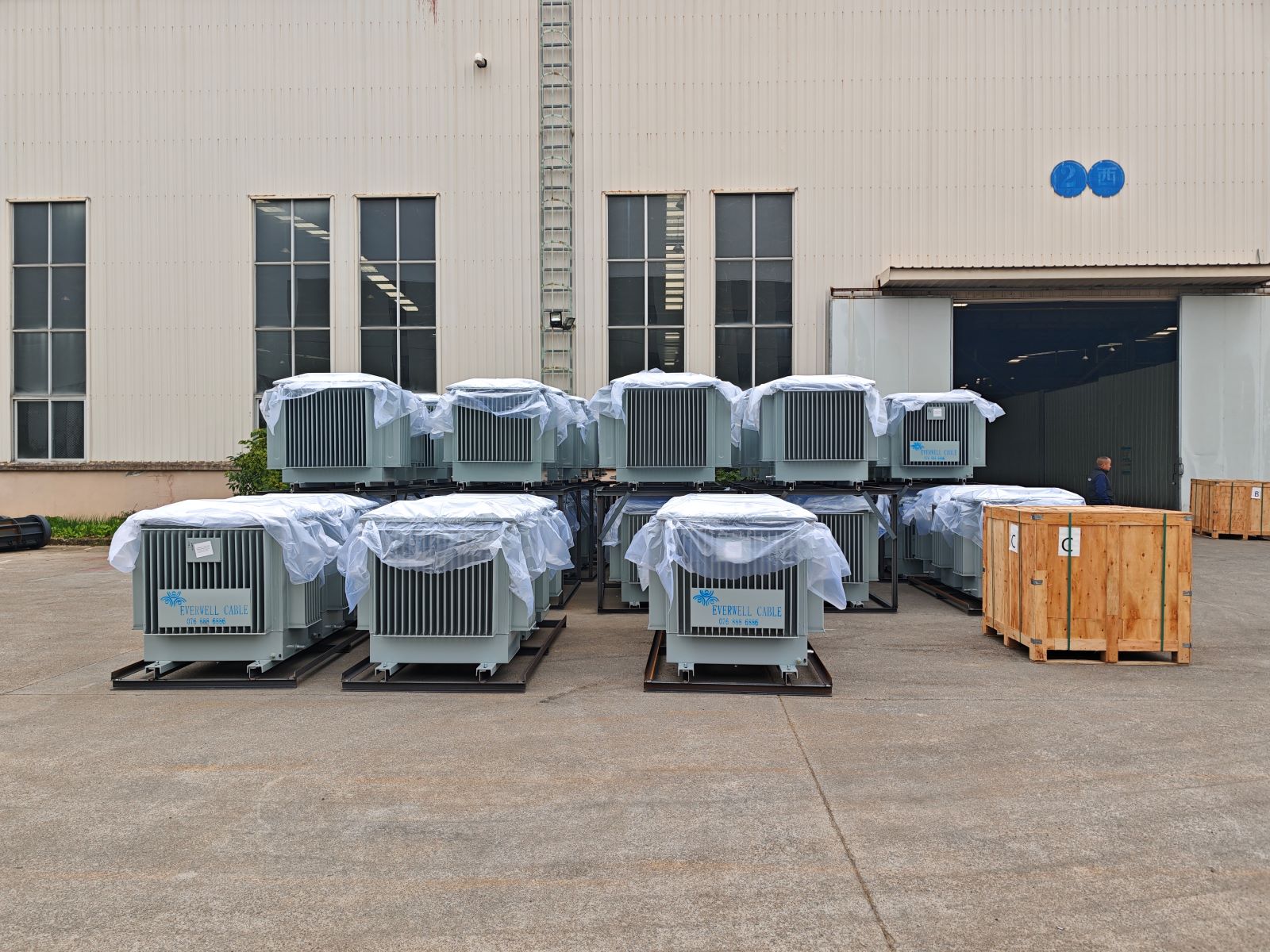
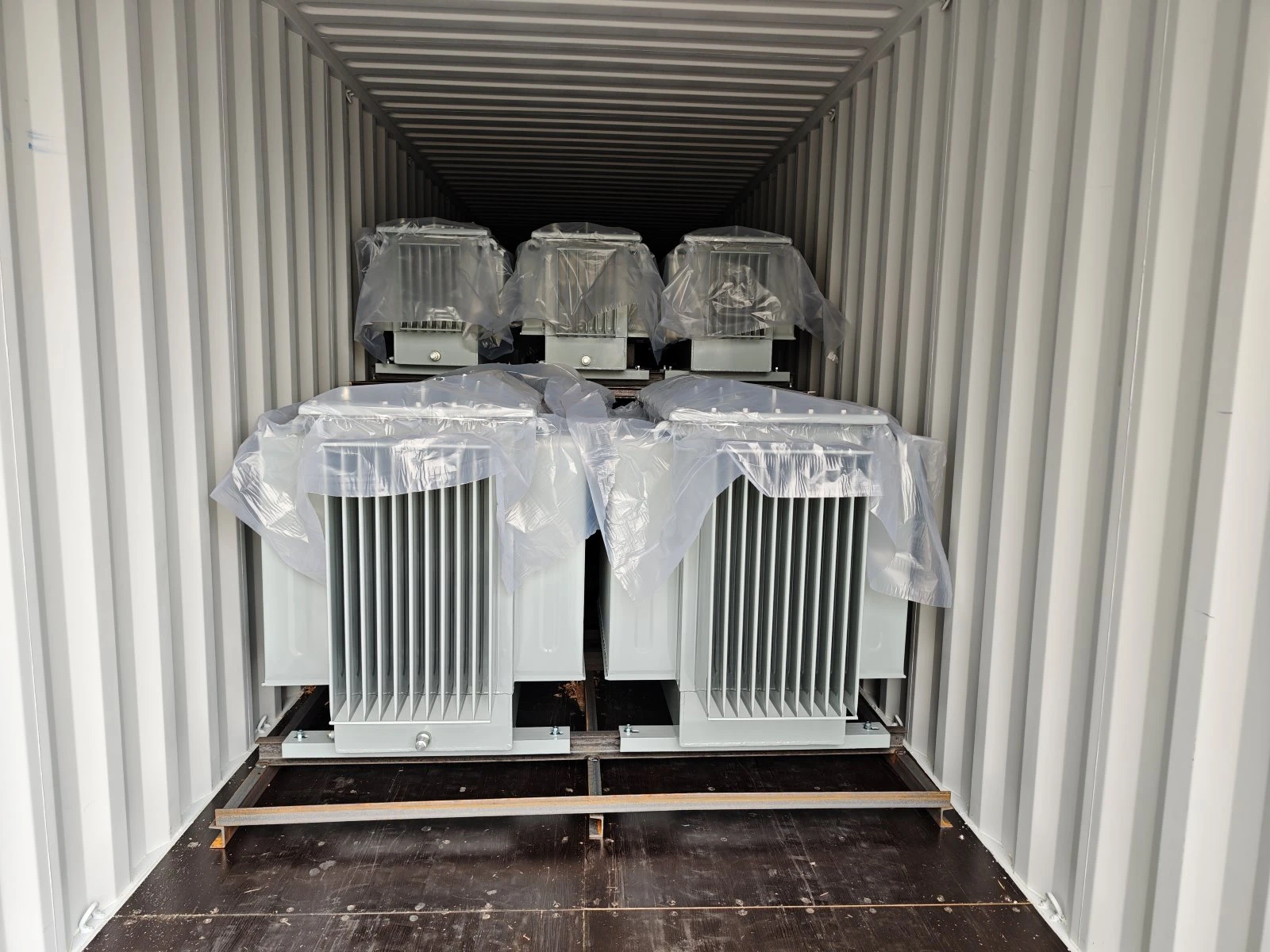
Insulation resistance is a core indicator to judge the insulation state of power transformers and effectively detect potential faults such as winding short circuits, core grounding, and winding shell contact. Whether it is a newly installed, overhauled or long-term out-of-service transformer, it is necessary to conduct standardized insulation resistance testing before operation to ensure safe and stable operation. As a professional manufacturer, JINSHANMEN TECHNOLOGY CO., LTD mainly produces oil immersed power transformers, dry-type power transformers, oil immersed three-dimensional coiled power transformers, dry-type three-dimensional coiled power transformers, mining explosion-proof dry-type transformers, mining explosion-proof mobile substations, amorphous alloy power transformers, on load capacity regulating power transformers, locomotive dry-type transformers, as well as prefabricated substations, modular substations, wind energy box type substations, high and low voltage switchgear and other transmission and distribution equipment.
2. Insulation Resistance Qualification Standards
2.1 Basic Standards (20℃)
The insulation resistance qualification standard of power transformers is closely related to the voltage level. For common voltage levels, the specific requirements are as follows: 3-10KV ≥ 300MΩ, 20-35KV ≥ 400MΩ, 63-220KV ≥ 800MΩ, 500KV ≥ 3000MΩ, and transformers with voltage of 0.4KV and below ≥ 0.5MΩ. For operating transformers, the insulation resistance shall not be less than 10MΩ. A 500 kva step down transformer is widely used in industrial and commercial fields, and its voltage level is usually 10KV and below. Therefore, its insulation resistance shall not be less than 300MΩ at 20℃ to meet the qualification requirement.
2.2 Additional Qualification Requirements
In addition to meeting the basic resistance value requirements, the insulation resistance test of transformers also needs to meet two key requirements: First, after converting the measured value to the same temperature, the current value shall not be 30% lower than the previous measured value; second, the absorption ratio R60/R15 (the ratio of insulation resistance at 60 seconds to 15 seconds during measurement) shall be not less than 1.3 when the temperature is between 10-30℃. For oil immersed power transformers, due to the influence of oil quality, moisture absorption and other factors, the insulation state is more likely to deteriorate, so it is more important to strictly abide by these two additional requirements.
3. Test Items & Meter Selection
When measuring the insulation resistance of power transformers, three key items need to be tested: the insulation resistance between the high-voltage winding and the low-voltage winding and the shell (high to low and ground), the insulation resistance between the low-voltage winding and the high-voltage winding and the shell (low to high and ground), and the insulation resistance between the through-bolt and the core (only required for core-overhaul inspection). For a 500 kva step down transformer, the selection of test instruments shall be based on the winding voltage level: 2500V megohmmeter for windings above 1000V, 1000V megohmmeter for windings below 1000V, 500V megohmmeter for 0.4KV low-voltage transformers, and 1000V megohmmeter for through-bolt insulation test.
4. Factors Affecting Insulation Resistance & Conversion Method
The insulation resistance of power transformers is greatly affected by temperature and humidity. When humidity increases, the surface and interior of the transformer absorb moisture, resulting in increased leakage current and decreased insulation resistance; when temperature rises, charged particles are more likely to conduct electricity due to enhanced thermal movement, leading to increased leakage current and decreased insulation resistance. Therefore, the insulation resistance value measured at different temperatures is different, and the higher the temperature, the lower the insulation resistance.
For the convenience of practical operation, we can use the formula and mnemonic to convert the insulation resistance value to 20℃ for comparison: the conversion formula is R20 = Rt × 10^((t−20)/40); the mnemonic is "halve when increasing by 10℃, double when decreasing by 10℃, multiply by 1.5 for good insulation". This method is also applicable to the insulation resistance conversion of oil immersed power transformers and 500 kva step down transformers.
5. Abnormality Handling & Precautions
If the measured insulation resistance value is lower than 50% of the previous value (after temperature conversion), maintenance shall be arranged immediately; if the absorption ratio does not meet the standard (less than 1.3), dielectric loss test shall be supplemented to further judge the insulation state. It should be noted that newly installed and overhauled transformers must meet all the above qualification standards before they can be energized and put into operation.
6. Conclusion
Regular measurement of transformer insulation resistance is an important means to ensure the safe operation of power transformers, which can effectively avoid equipment faults caused by insulation deterioration. JINSHANMEN TECHNOLOGY CO., LTD has rich experience in producing transformers, and its oil immersed power transformers and 500 kva step down transformers have stable insulation performance, which can meet the insulation resistance qualification standards of various voltage levels. If you have related product needs or technical consulting needs, welcome to contact us.