

As a core component of power transmission and distribution systems, the normal operation of transformers is crucial to the stability and safety of the entire power grid. Among various transformer faults, core multipoint grounding is a common and harmful problem, which not only affects the service life of transformers but also may lead to serious power accidents. This article will detailedly analyze the hazards, causes and types of transformer core multipoint grounding faults, and share professional knowledge related to 11kv dry type transformer and dry type step down transformer, helping you better understand and prevent such faults.
JINSHANMEN TECHNOLOGY CO., LTD, as a professional manufacturer of power transmission and distribution equipment, has rich experience in transformer R&D, production and maintenance. The company mainly produces oil immersed power transformers, dry-type power transformers, oil immersed three-dimensional coiled power transformers, dry-type three-dimensional coiled power transformers, mining explosion-proof dry-type transformers, mining explosion-proof mobile substations, amorphous alloy power transformers, on load capacity regulating power transformers, locomotive dry-type transformers, as well as prefabricated substations, modular substations, wind energy box type substations, high and low voltage switchgear and other transmission and distribution equipment. Based on years of industry practice, we summarize the key points of transformer core multipoint grounding fault, hoping to provide valuable reference for industry peers and users.
I. Hazards of Transformer Core Multipoint Grounding Fault
It is strictly prohibited for the transformer core to have multiple grounding points during normal operation. During the normal operation of the transformer, there is an alternating magnetic field around the windings. Due to the effect of electromagnetic induction, parasitic capacitances exist between the high-voltage winding and the low-voltage winding, between the low-voltage winding and the core, and between the core and the shell. The live windings will cause the core to generate a floating potential to the ground through the coupling effect of parasitic capacitances. Since the distances between the core, other metal components and the windings are not equal, there is a potential difference between each component. When the potential difference between two points is high enough to break down the insulation between them, spark discharge will occur. This kind of discharge is intermittent, and in the long run, it will have adverse effects on transformer oil and solid insulation.
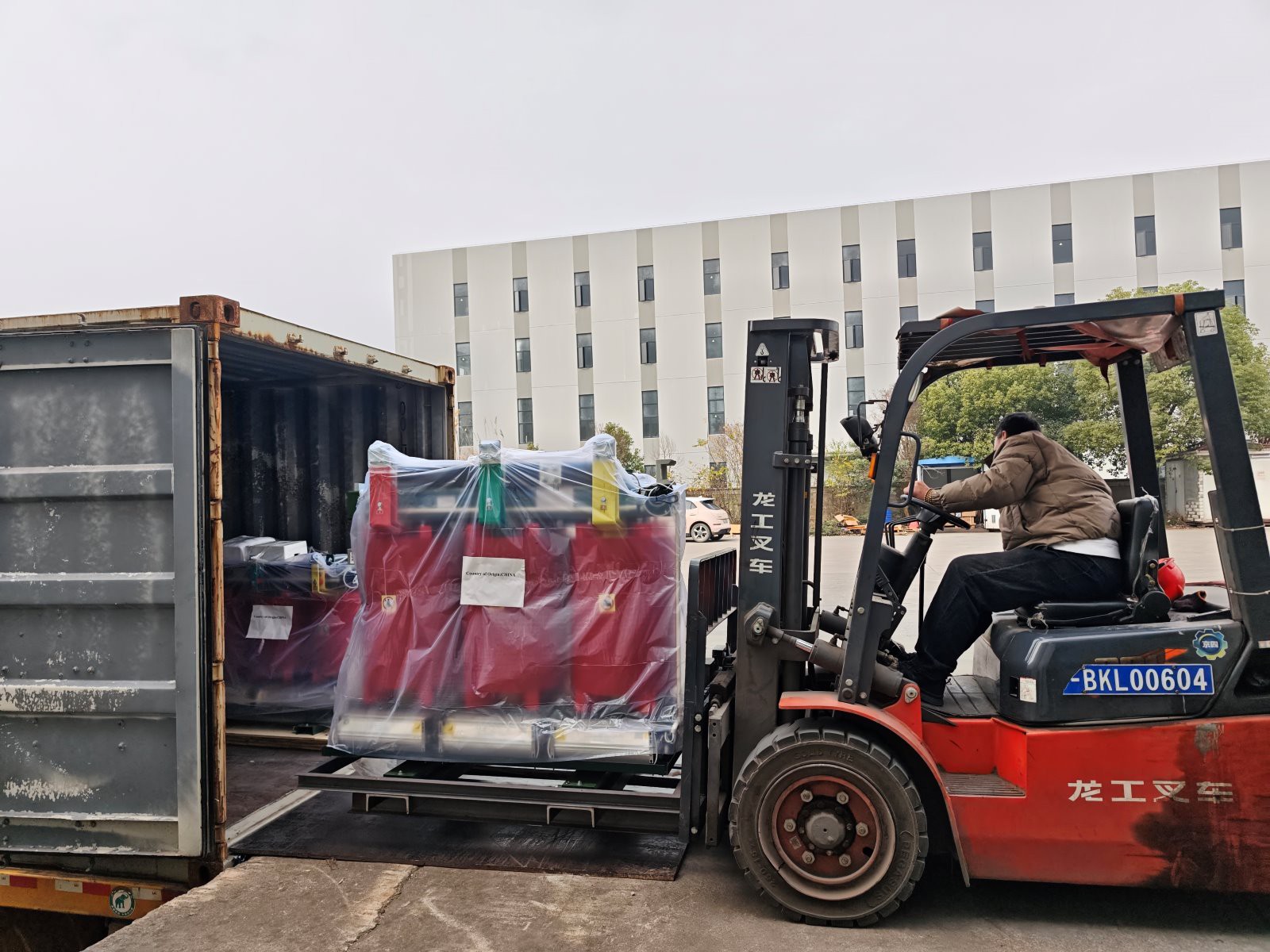
To eliminate this phenomenon, the core is reliably connected to the shell to make it equipotential with the shell. However, when the core or other metal components have two or more grounding points, the grounding points will form a closed loop, resulting in circulating current, causing local overheating, leading to oil decomposition and insulation performance degradation. In severe cases, it will burn the core silicon steel sheet and cause a major main transformer accident. Therefore, the main transformer core can only be grounded at one point. This requirement is also applicable to 11kv dry type transformer and dry type step down transformer, which is an important guarantee for the safe operation of such dry-type transformers.
II. Causes of Transformer Core Grounding Fault
Transformer core grounding faults are mostly caused by improper construction, external factors and internal defects. Combined with the operating characteristics of 11kv dry type transformer and dry type step down transformer, the main causes of core grounding faults are summarized as follows:
1.Short circuit of grounding sheet caused by poor construction technology and design. During the installation of transformers, especially the assembly process of dry-type transformers such as 11kv dry type transformer, if the grounding sheet is not installed in place, the material does not meet the standard, or the design does not consider the thermal expansion and contraction of the core, it is easy to cause short circuit of the grounding sheet and further lead to core grounding fault.
2.Multipoint grounding caused by accessories and external factors. For example, the aging and damage of transformer accessories, the intrusion of external moisture and dust, and the vibration during operation will all affect the insulation performance of the core, leading to the formation of additional grounding points. For dry type step down transformer used in industrial and mining environments, the impact of external dust and moisture is more obvious, which needs special attention in daily maintenance.
3.Grounding caused by metal foreign bodies left in the main transformer, burrs generated by poor core technology, rust and welding slag. During the production, transportation and maintenance of transformers, if metal foreign bodies (such as screwdrivers, copper wires, steel chips) are accidentally left in the transformer, or burrs, rust and welding slag are generated on the core surface due to poor processing technology, it will form a conductive path, leading to core multipoint grounding. This is a common fault cause in both oil-immersed transformers and dry-type transformers such as 11kv dry type transformer.
III. Types of Transformer Core Faults
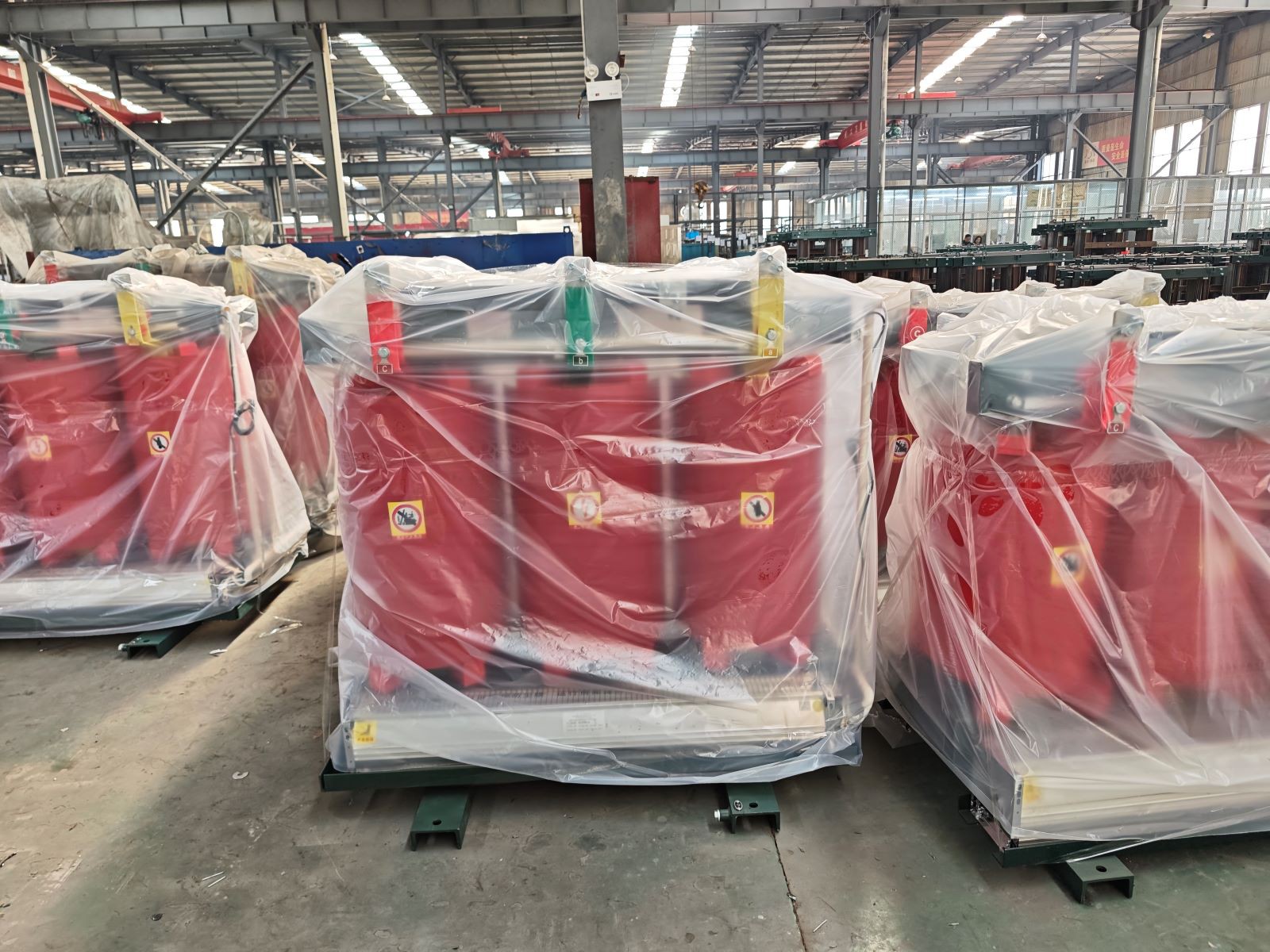
According to the actual fault cases and maintenance experience of JINSHANMEN TECHNOLOGY CO., LTD, the common types of transformer core faults are mainly the following six, which are also applicable to the fault diagnosis of dry type step down transformer and 11kv dry type transformer:
1.Core touching the shell or clamping parts. After installation, due to negligence, the transportation positioning nails on the top cover of the oil tank are not turned over or removed, leading to the core touching the tank shell; the clamping part limb plate touches the core column; the silicon steel sheet is warped and touches the clamping part limb plate; the cardboard between the foot of the core lower clamping part and the iron yoke falls off, leading to the foot touching the silicon steel sheet; the thermometer sleeve is too long and touches the clamping part, iron yoke or core column, etc.
2.The steel sleeve of the through-core bolt is too long and short-circuited with the silicon steel sheet. This fault is more likely to occur in the assembly process of dry-type transformers. If the steel sleeve of the through-core bolt is too long, it will directly contact the silicon steel sheet, forming a short-circuit path and causing core grounding.
3.Foreign bodies in the oil tank cause local short circuit of silicon steel sheets. For example, a 31500/110 type power transformer in a substation in Shanxi had core multipoint grounding. After lifting the cover, a screwdriver was found between the clamping part and the iron yoke; a 60000/220 type power transformer in another substation had a 120mm long copper wire found after lifting the cover; a 120000/220 type power transformer in another substation had an iron block found between the lower clamping part and the iron yoke after lifting the cover; in addition, a large power transformer in a substation in Northeast China had core multipoint grounding. After lifting the cover, three sections of curved steel wires were found at the bottom of the oil tank, with diameters of about 0.31mm and lengths of 25, 28 and 31mm respectively.
4.Core insulation is damp or damaged, such as oil sludge and moisture deposited at the bottom, decreased insulation resistance, damp or damaged clamping part insulation, pad iron insulation, iron box insulation (cardboard or wood block), etc., leading to high-resistance multipoint grounding of the core. For 11kv dry type transformer used in humid environments, the problem of core insulation damp is more prominent, which needs to be solved by strengthening ventilation and moisture-proof measures.
5.The bearing of the submersible oil pump is worn, and metal powder enters the oil tank, accumulates at the bottom, and forms a bridge under the action of electromagnetic attraction, connecting the lower iron rail with the foot or the tank bottom, resulting in multipoint grounding.
6.Poor operation and maintenance, and failure to carry out regular maintenance. Regular maintenance is an important means to prevent transformer core faults. If the transformer, especially the dry type step down transformer in continuous operation, is not inspected and maintained on schedule, potential faults cannot be found and handled in time, which will eventually lead to the occurrence of core grounding faults.
Conclusion
Transformer core multipoint grounding fault is a common and harmful fault, which seriously threatens the safe and stable operation of power transformers. For 11kv dry type transformer, dry type step down transformer and other types of transformers, mastering the hazards, causes and types of core multipoint grounding faults is the premise of effective prevention and treatment.
JINSHANMEN TECHNOLOGY CO., LTD has been committed to providing high-quality power transmission and distribution equipment and professional technical support for global users. With mature production technology and perfect after-sales service, we can provide targeted solutions for the maintenance and fault treatment of transformers such as 11kv dry type transformer anddry type step down transformer. If you have related technical questions or product needs, please contact us, and we will serve you wholeheartedly.