


Why choose us
Our Products
We mainly produce a variety of transformers, including oil-immersed power transformers, dry-type power transformers, oil-immersed three-dimensional coiled transformers, and dry-type three-dimensional coiled transformers. Additionally, we offer mining explosion-proof dry-type transformers, as well as high and low voltage switchgear and other equipment for power transmission and distribution.
Our Company
Jinshan Gate Technology Co., LTD. (referred to as Jinshan Gate) is located at No. 795 Nanming Road, Shuige Industrial Park, Liandu District, Lishui City. Our factory covers 208 acres and employs over 500 people. We hold more than 20 patents and combine advanced domestic and international technologies to become a key player in the transformer industry.
Product Application
Our products are widely used in power and railway sectors. With complete testing equipment and strict quality checks, we ensure that our products are stable and reliable over time. This has made our products highly valued by the power sector and various users. We export to many regions, including Southeast Asia, the Middle East, and Africa.
Our Certificates
Our products have received ISO9001:2008 international quality system certification and have been approved by the National Electrical Product Quality Supervision and Inspection Center. They meet IEC and national standards and have obtained various relevant certifications, including production licenses and national safety marks.
What Is Single-phase Control Transformer?
Single phase control transformers are used in regulating flow of voltage or current or lower down the higher flow of current in device to protect it from damage. Such transformers have good applications in electronic devices such as inverter, medical equipments, rectifier circuit, PCB circuit modules and many more.
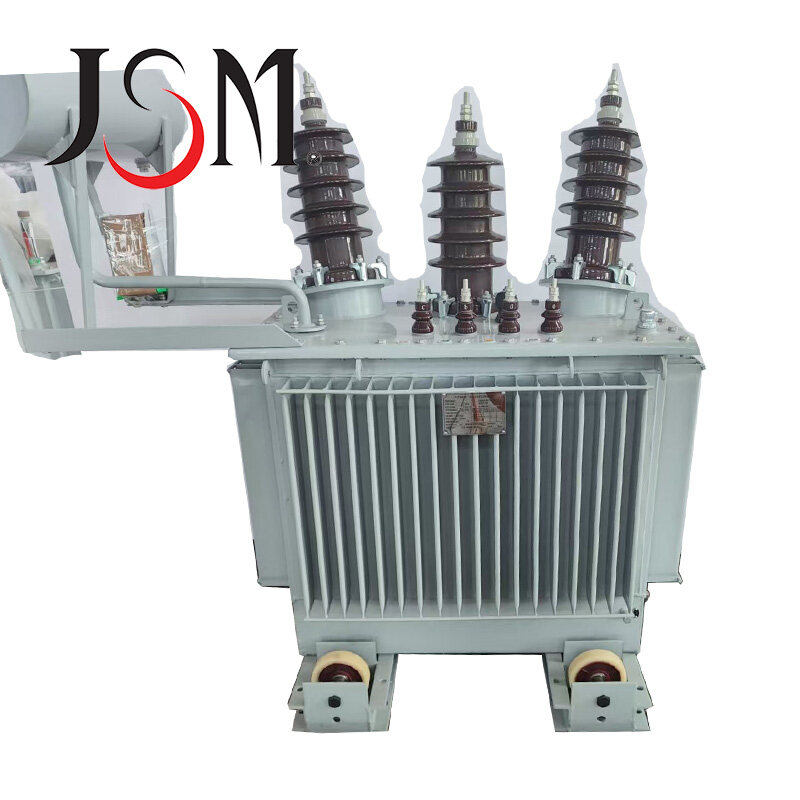
10KV Class Single-Phase Oil-Immersed Transformer, 240 - 220V Low Voltage, Customizable, with Excellent Performance.
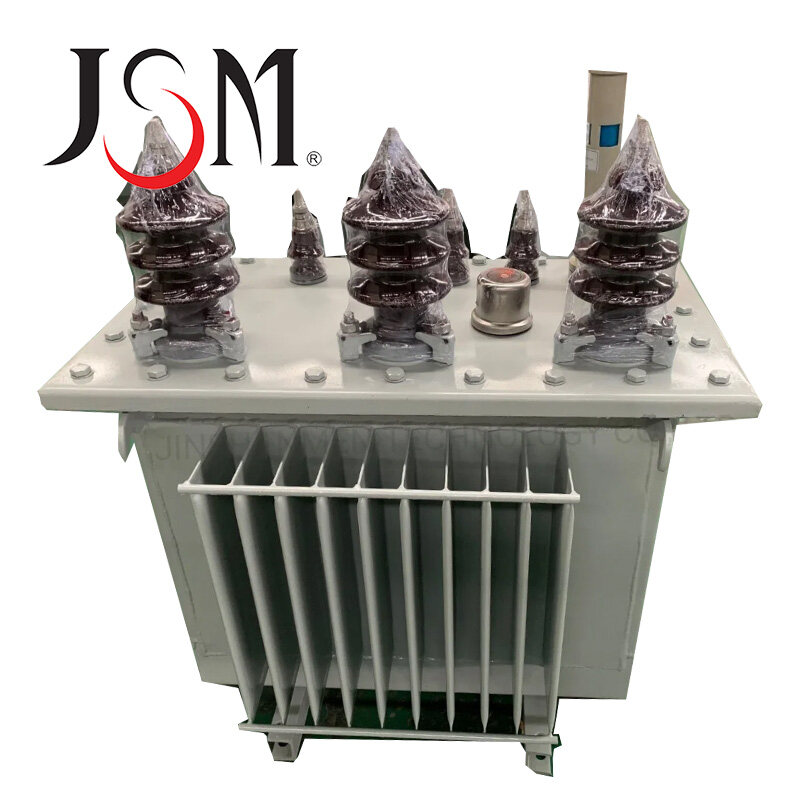
10 20 25kva~150kva 120V~240v Single-phase Series Oil-immersed Distribution Transformer
10 - 150kVA Single-Phase Series Oil-Immersed Transformer, 120V - 240V, Customizable with Reliable Performance.
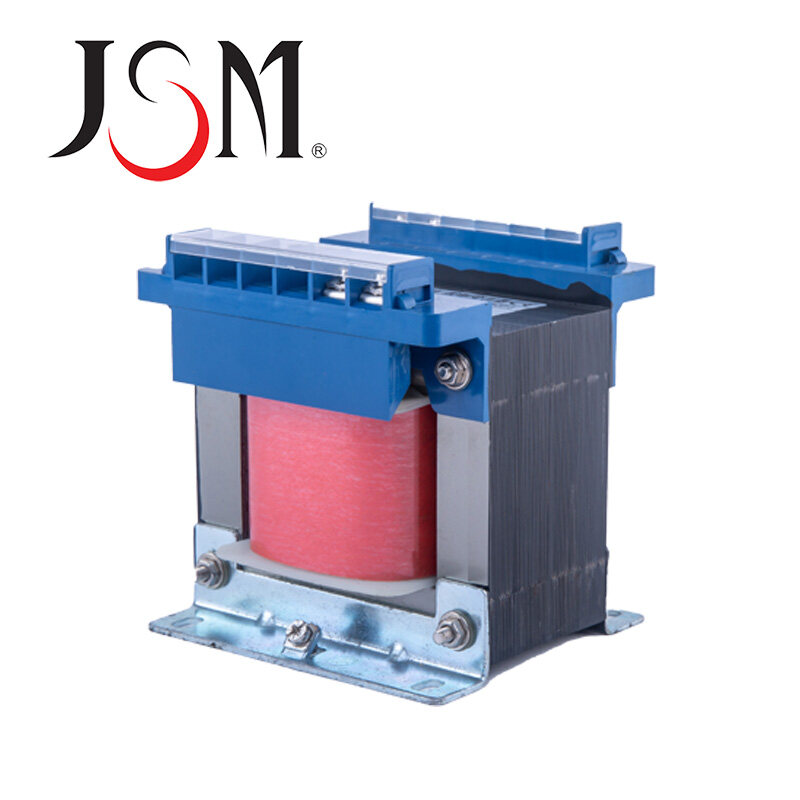
JBK3-200VA Single-Phase Transformer, ideal for machine tool circuit tapping, customizable, with exceptional performance.
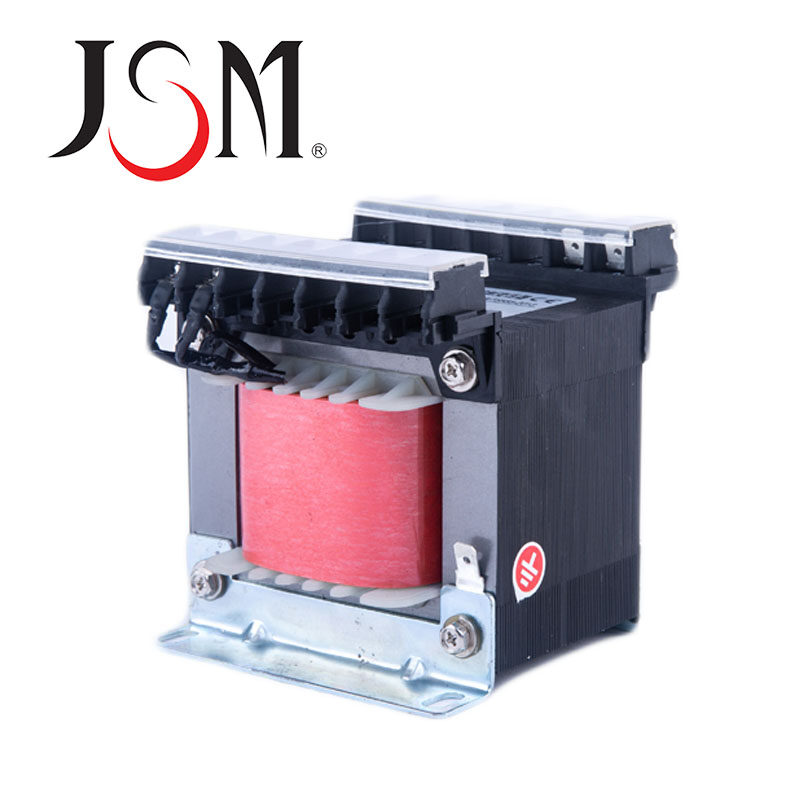
BK-50VA Single-Phase Control Transformer, 380/24V, suitable for machine tools and other applications, with customizable options.
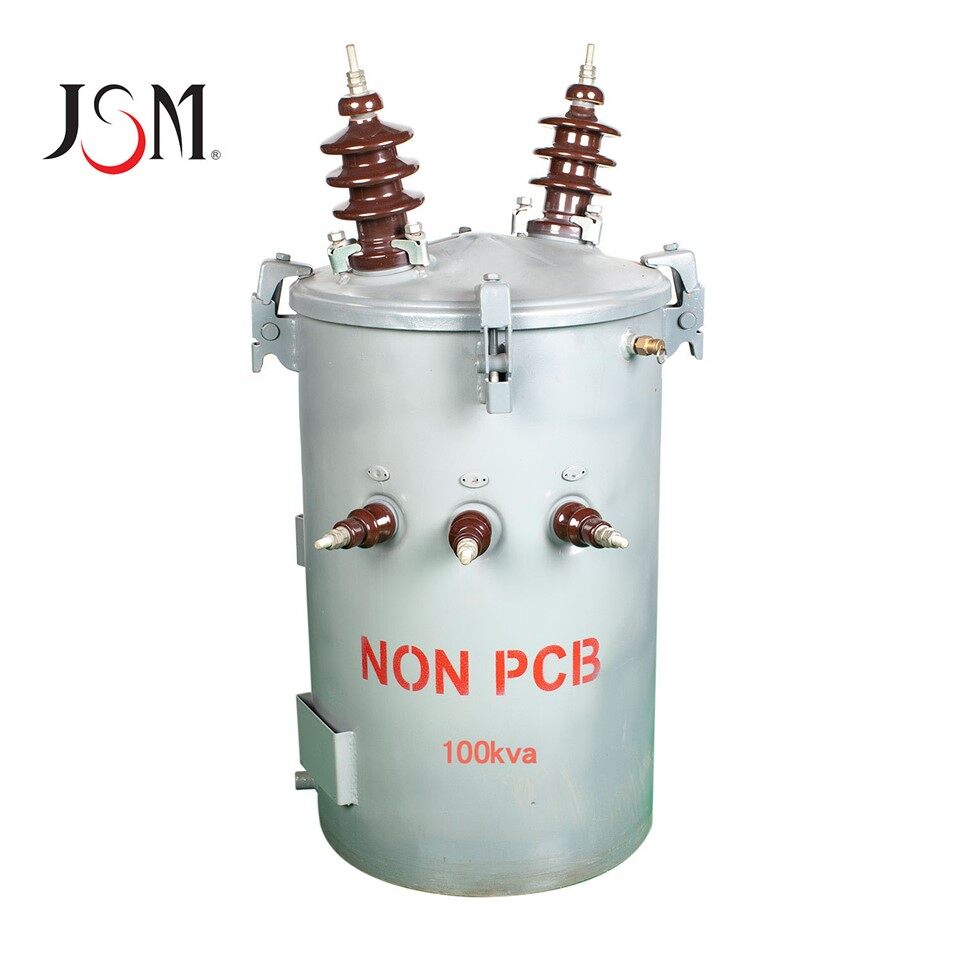
100 Kva 208v To 230v/240v Single Phase Pole Mounted Transformer
100kVA Single-Phase Pole-Mounted Transformer, converting 208V to 230V/240V, offers superior performance and customizable options.
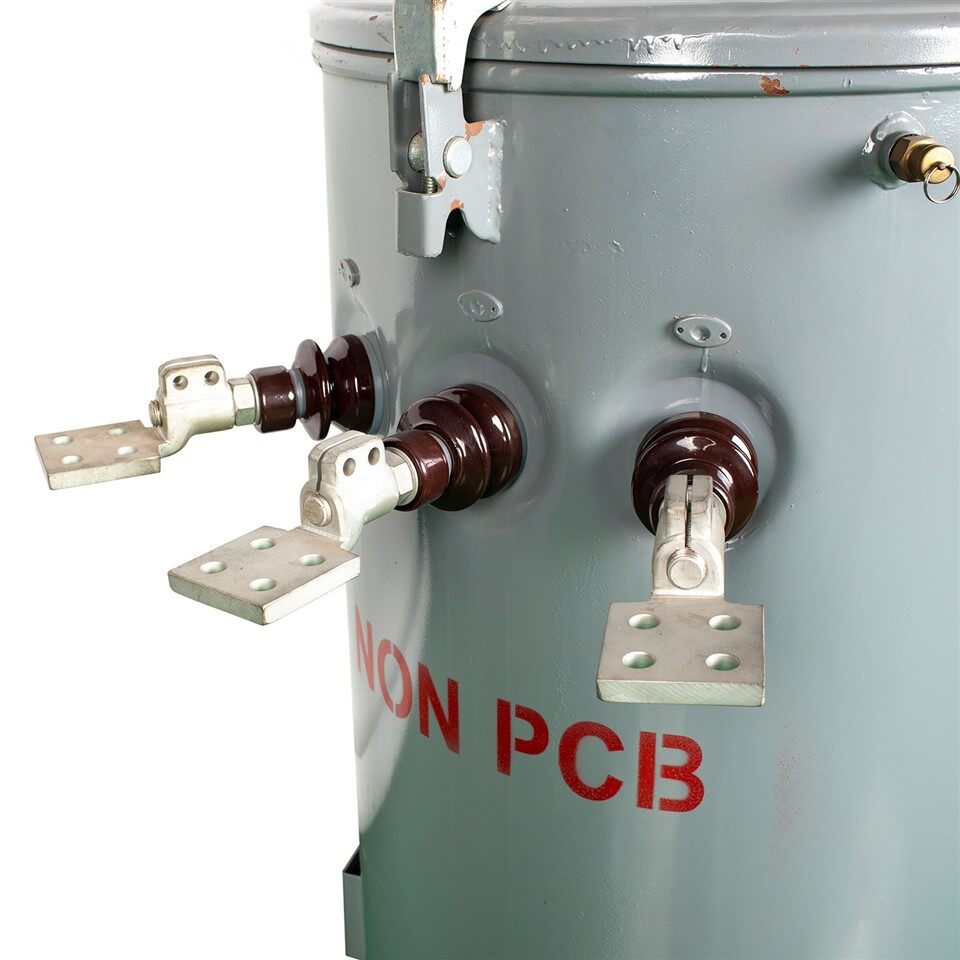
12 Kva 11kv To 230v/240v Single Phase Pole Mounted Distribution Transformer
The 12kVA Single-Phase Pole-Mounted Distribution Transformer, converting 11kV to 230V/240V, offers reliable performance and customizable options.
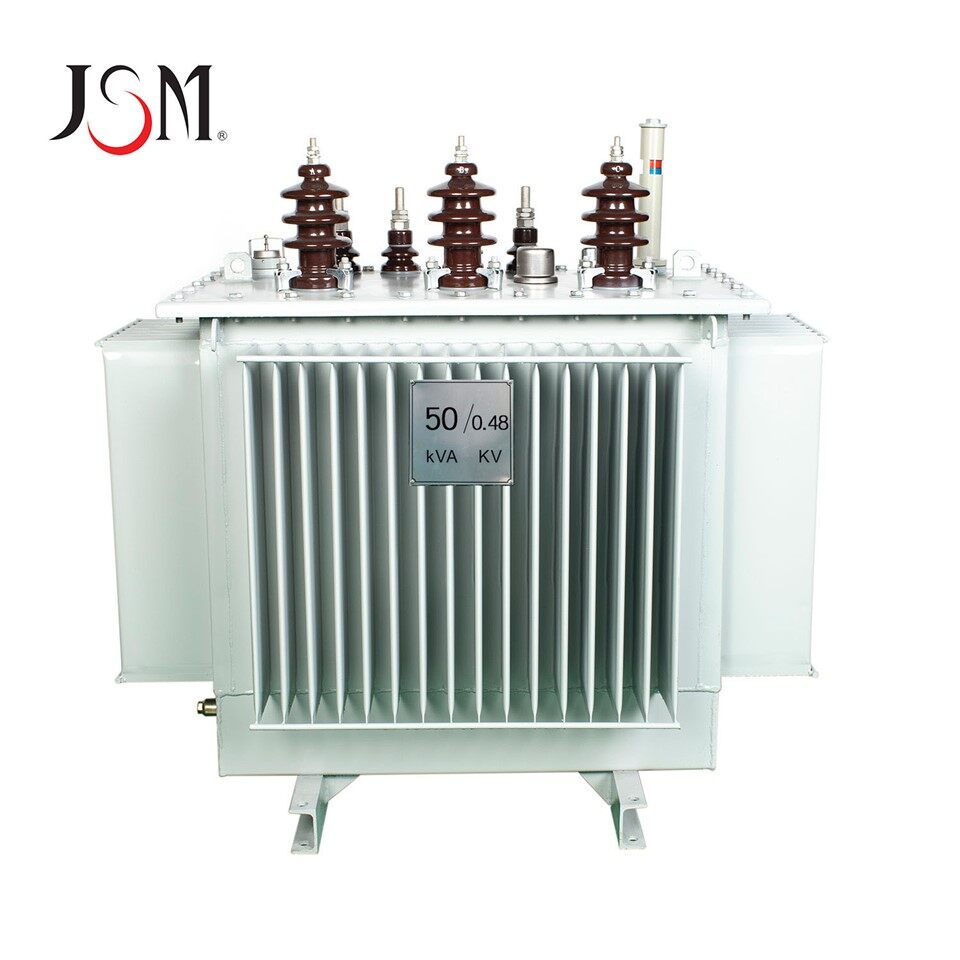
50 Kva 480v To 120/208/220/230/240v Single Phase Transformer
The 50kVA Single-Phase Transformer is designed to convert 480V to various voltages, offering reliable and stable performance with customizable options.
Advantages of Single-phase Control Transformer
Isolation
Control transformers provide electrical isolation between the primary and secondary circuits, preventing the transfer of potentially harmful voltages and ensuring safety for operators and equipment.
Voltage Regulation
Control transformers are designed to maintain a stable output voltage under varying load conditions. This ensures reliable operation of control devices and prevents malfunctions due to voltage fluctuations.
Compatibility
Control transformers provide low voltage outputs that are compatible with a wide range of control devices and components commonly used in electrical control systems. This versatility allows for easy integration and compatibility with existing control circuits and equipment.
Protection
Some control transformers are equipped with built-in overload protection features such as thermal overload protection and fuses to protect against overcurrent conditions and prevent damage to the transformer and connected equipment.
Compact Size
Control transformers are available in compact sizes and can be easily mounted in control panels or enclosures, saving space and facilitating installation in confined spaces.
Efficiency
Control transformers are designed for high efficiency, minimizing energy losses and reducing operating costs over the long term.
Types of Single-phase Control Transformer
Single-Phase Control Transformer
Single-phase control transformers are commonly used in applications where the control circuit operates on a single-phase supply. They are ideal for small to medium-sized control systems and are widely used in residential, commercial, and industrial settings.
Three-Phase Control Transformer
Three-phase control transformers are used in applications that require a three-phase power supply for control circuits. They are widely used in larger industrial control systems that require higher power capacity and where three-phase power is readily available.
Step-Up Control Transformer
Step-up control transformers are designed to increase the output voltage from the input voltage. They are used in applications with a higher voltage for control devices and circuits.
Step-Down Control Transformer
Step-down control transformers, on the other hand, reduce the output voltage from the input voltage. They are the most common type of control transformer used in control circuits.
A Single Phase Control Transformer is a type of transformer specifically designed for use in industrial control systems. It provides isolated control power for relays, timers, and other control devices. Here are some technical specifications of a typical Single Phase Control Transformer:
Primary Voltage: The primary voltage is typically 240V, 480V, or 600V AC.
Secondary Voltage: The secondary voltage typically ranges between 24V and 120V AC.
Frequency: These transformers are designed to operate at a frequency of 50Hz or 60Hz.
Power Rating: The power rating can range from a few VA to several kVA.


Isolation: Single Phase Control Transformers provide electrical isolation between the primary and secondary circuits, which is essential for safety and noise reduction.
Construction: They are typically constructed with a laminated core and copper windings. The core is made of thin sheets of iron or steel, which are stacked together and insulated to reduce eddy currents and losses.
Mounting: These transformers are usually mounted on a panel or chassis and may come with mounting hardware such as screws or brackets.
Enclosure: They may be provided with an enclosure to protect against dust, moisture, and other environmental factors. The enclosure can be made of metal or plastic and may be open or closed.
Key Features and Components of a Control Transformer
Following are a few key features of a control transformer
Compact Size: These transformers are typically much smaller in size compared to power transformers. This compact size allows for easy installation in control panels, where space is a constraint.
Voltage Ratio: The transformers are available in various voltage ratios to meet different application demands. The voltage ratio determines how much the input voltage is stepped down or stepped up to the output voltage.
Power Rating: The power rating of a control transformer indicates the maximum amount of power it can handle without overheating. It is essential to choose a transformer with a power rating that matches or exceeds the power requirements of the control devices connected to it. Many control transformer manufacturers offer these units in various primary and secondary voltage combinations.
Short-Circuit Protection: They are designed with built-in short-circuit protection to protect the transformer and connected devices in the event of any unforeseen faults.
Multiple Taps: Many industrial control transformer models are designed with multiple taps on the secondary winding, enabling for easy voltage adjustment to match specific control circuit requirements. This flexibility allows precise voltage control and provides compatibility with a wide range of control devices.
Enclosure Type: These transformers are made available with NEMA-rated enclosures, which help protect them from external elements, including dust, moisture, or physical damage.
Single-Phase vs. Three-Phase Control Transformers
In the realm of electrical power distribution, where precision and reliability are paramount, the choice between single-phase and three-phase systems holds significant implications. These systems serve as the foundation upon which our homes, industries, and commercial spaces function. Central to this distinction are the transformers that play a pivotal role in converting and distributing electrical energy. In this article, we delve into the contrasts between single-phase and three-phase Control Transformers, unraveling their applications, power capabilities, and the impact they have on our electrified world.
Understanding the Essence: Single-Phase Control Transformers
A single-phase electrical system, as the name suggests, operates with a singular alternating current (AC) phase. Correspondingly, single-phase Control Transformers cater to applications where lower power levels are the norm. These transformers find their niche in residential lighting systems, small motor circuits, HVAC controls, and an array of low-power control setups. They embody simplicity and compactness, making them ideal for scenarios that don't demand substantial energy consumption.
Embracing Complexity: Three-Phase Control Transformers
In contrast, the realm of three-phase systems introduces complexity and robustness. A three-phase system comprises three AC phases - A, B, and C - working harmoniously to deliver power. Three-phase Control Transformers find their purpose in industrial and commercial environments, where higher power levels are a necessity. Industries that rely on heavy machinery, large motors, and intricate control systems benefit from the substantial power capacity and efficient distribution that three-phase systems offer.
Applications that Define: Where They Shine
Single-phase Control Transformers find their footing in scenarios with modest power requirements. Residential lighting, small-scale motors, and control panels resonate with their capabilities. These transformers lend themselves to everyday applications that form the backbone of our living spaces.
On the other hand, three-phase Control Transformers reign supreme in industrial landscapes that demand power of a different magnitude. From large-scale motors to manufacturing processes, these transformers provide the muscle required to energize colossal machinery and multifaceted systems. Their ability to deliver ample power efficiently makes them an indispensable component of thriving industrial ecosystems.
Voltage Vistas: Single-Phase vs. Three-Phase
In terms of voltage, single-phase Control Transformers usually operate at lower voltage levels, commonly found in residential settings. Voltage outputs like 120V or 240V are the norm in these systems. Conversely, the more robust three-phase systems operate at elevated voltage levels suitable for industrial applications. These levels might include 208V, 480V, or even higher, depending on the specific demands of the setting.
The Art of Efficiency: Balancing the Load
As complexity increases, so do the advantages. Three-phase systems boast better load distribution, which enhances their overall efficiency. The symphony of three alternating phases ensures a balanced load across the system, mitigating potential inefficiencies that might arise from unbalanced loads.
Applications of Single-phase Control Transformer
Industrial Control Systems
Power automation equipment and control panels, ensuring reliable operation in industrial environments. Such as 1 kva control transformer,1.5 kva control transformer,1000va control transformer,100va control transformer,150 va control transformer,1kva control transformer.
Electrical Instruments
Deliver precise voltage to ensure accurate readings and measurements in various electrical devices.
Providing Precise Voltage for Accurate Readings
Ensure that electrical instruments receive the correct voltage for precise data collection and monitoring.
Machine Tool Control
Supply stable voltage to machine tools, ensuring precise and accurate processing.
Ensuring Processing Precision with Stable Voltage
Maintain consistent voltage levels to ensure high precision and accuracy in machining operations.
Lighting Control
Manage power for lighting systems, ensuring consistent and reliable illumination.
Power Management for Lighting Systems
Provide stable power to lighting systems, preventing flickering and ensuring energy efficiency.
Other Applications
Include various additional real-world use cases where stable low-voltage power is essential.
Additional Real-World Use Cases
Cover a wide range of applications, from HVAC systems to security systems, requiring reliable power supply.
Automation Equipment and Control Panels
Provide stable voltage to control panels and automation machinery, ensuring smooth and efficient operation.
Companies need control transformers in various situations where precisely controlled voltages are required for the function of electrical devices and systems. Here are some typical scenarios in which an industrial company might need a control transformer:
Control of motors
Motors are used to automate and control machines in many industrial applications. Control transformers can be used to provide the necessary control voltages for the motors to control their speed, direction or other operating parameters.
Control cabinet control
Industrial control cabinets often contain a large number of electrical circuits and control components such as relays, contactors and PLCs (Programmable Logic Controllers). A control transformer can be used to provide the control voltages for these components to ensure they function properly.
Process control
In production plants where various processes need to be controlled, control transformers can be used to provide the required control voltages for sensors, actuators and other electrical components.
Lighting control
Precise lighting control is required in many industrial environments. Control transformers can be used to adjust the voltage for lighting systems and to control the brightness or operating mode of the lighting.
Precision instruments
In some industrial applications, especially in areas that require precise measurements, control transformers can be used to provide the necessary control voltages for measuring devices and instruments.
Our Factory
JINSHANMEN TECHNOLOGY CO., LTD(JSM for short) is located at 795 Nanming Road, Shuige Industrial Park, Liandu District, Lishui City. It is a domestic transformer industry production enterprise that integrates domestic and foreign high-tech. The company has advanced production equipment and strong technical strength. Its products have passed the ISO9001:2008 international quality system certification and the National Electrical Product Quality Supervision and Inspection Center, meeting IEC and national standards, as well as obtaining relevant certificates such as production licenses, national safety marks, and explosion-proof certificates.


